

 0 Comments

Wondering how to clean stainless steel without ending up with cloudiness or streaks? The easiest way is by wiping it with a soft microfiber cloth dipped in warm, soapy water. Just be sure to always move in the direction of the grain. Then, after you’ve cleaned it, give it a quick rinse with a clean, damp cloth and dry it right away to stop water spots in their tracks and bring back that lovely shine.
My Simple Method for Sparkling Stainless Steel
I just love the sleek, modern look of stainless steel in my kitchen! But oh, those fingerprints and smudges can really drive me bonkers. It feels like just looking at my refrigerator can leave a mark! Over the years, I’ve tried just about every trick in the book, and I’m so excited to share my foolproof method that gets everything sparkling again.
The best part? You don’t need any fancy or expensive cleaners. My go-to technique uses gentle items you almost certainly already have in your pantry. It’s quick, easy, and works wonders on refrigerators, dishwashers, microwaves, even faucets —you name it!

The All-Important Grain Direction
Before we even start wiping, there’s one secret you absolutely must know: stainless steel has a grain! Just like wood, it has tiny, faint lines running in one direction, either vertically or horizontally.
Cleaning “against the grain” can actually push grime deeper into those little crevices and even cause tiny scratches. But when you wipe with the grain, your cloth glides right over the surface, lifting away dirt and leaving a perfect, streak-free finish.
Jillee’s Tip: To find the grain, look closely at your appliance in good light. You’ll see very fine lines. Make a mental note of whether they run up-and-down or side-to-side. This one small step is a total game-changer!
This simple method is perfect for daily upkeep and maintaining that beautiful shine. And if you’re curious about how this fits into your larger cleaning schedule, I have some great advice on how often to clean your appliances to keep your whole kitchen looking its best.
I’ve experimented with a lot of different household items over the years, and a few have really stood out as my favorites for tackling different kinds of messes on stainless steel.
My Favorite Household Cleaners for Stainless Steel
| Cleaning Agent | Best For | Jillee’s Tip |
|---|---|---|
| White Vinegar | Fingerprints and greasy smudges | I like to put it in a spray bottle. Just a light mist is all you need before wiping with the grain. |
| Baking Soda | Stuck-on food and tougher stains | Make a paste with a little water. It’s a gentle abrasive that won’t scratch the surface. |
| Olive Oil | Polishing and removing streaks | After cleaning, put a tiny dab on a dry cloth and buff with the grain. A little goes a very long way! |
These pantry staples prove you don’t need harsh chemicals to get a beautiful, streak-free shine. They’re affordable, effective, and you probably already have them on hand.
How to Tackle Tough Messes on Your Appliances
Sometimes a simple wipe-down just won’t cut it. We’ve all been there—grease splatters that have cooked onto the stove, dried-on food bits on the microwave door, or those stubborn hard water spots around the sink that seem to appear out of nowhere.
When you’re facing those tougher challenges, there’s no need to reach for harsh, smelly chemicals! Over the years, I’ve found some wonderful, gentle solutions for these exact problems. These are the real-world tricks I turn to in my own kitchen when things get a little messy.

My Go-To for Stuck-On Grime
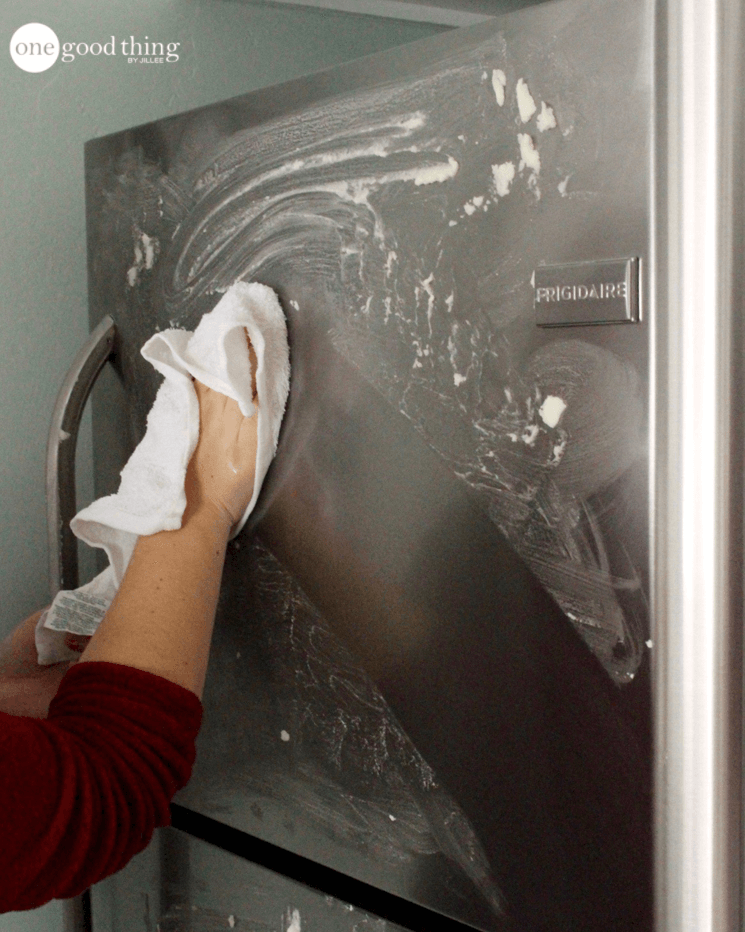
For those really stubborn, caked-on messes, my secret weapon is a simple paste made from baking soda and water. It’s one of the most effective ways to clean stainless steel without scratching it.
Simply mix a few tablespoons of baking soda with just enough water to form a thick, toothpaste-like consistency. Gently apply this paste to the problem area and let it sit for about 15-20 minutes. This gives the baking soda time to work its magic and break down the grime.
After it has sat for a bit, take a soft, damp microfiber cloth and gently rub in the direction of the grain. You’ll be amazed at how the mess lifts away! Rinse the area thoroughly with a clean, damp cloth and dry it immediately to prevent water spots.
More Ideas You'll Love


Banishing Hard Water Stains and Discoloration
Hard water stains, especially on sinks and faucets, can be a real nuisance. They leave behind that chalky white residue that dulls the finish. My solution? A little bit of white vinegar!
Simply dampen a microfiber cloth with white vinegar and lay it over the stained area for about 30 minutes. The gentle acidity in the vinegar helps dissolve the mineral deposits. After it has soaked, remove the cloth, give it a light scrub with a soft sponge, rinse well, and dry.
This trick also works wonders on those bluish or rainbow-colored heat stains you sometimes see on stainless steel cooktops or pots. A gentle wipe with vinegar can often restore the original shine.
The Secret to a Perfect Streak-Free Finish
Alright, now that your stainless steel is sparkling clean, it’s time for my favorite part! This is the secret step that takes your appliances from simply clean to looking brand-new and professionally detailed. It’s so satisfying to see that perfect, streak-free shine come to life.
My secret weapon for getting that incredible gleam is something you probably have in your kitchen right now—a little bit of oil! It might sound counterintuitive to put oil on a clean surface, but trust me, this is a game-changer.
A tiny amount of oil creates a beautiful, uniform sheen that hides any faint streaks left behind from cleaning. But the benefits don’t stop there. This thin layer also acts as a protective barrier, making it much harder for future fingerprints and smudges to stick. It’s a bit of preventative magic!
Choosing the Right Oil and Cloth
You don’t need a special product for this. Just a few drops of a neutral oil will do the trick.
- Mineral Oil: This is my top choice! It’s food-safe, inexpensive, and doesn’t go rancid, so it’s perfect for kitchen appliances.
- Baby Oil: This is essentially mineral oil with a light fragrance, so it works just as well.
- Olive Oil: In a pinch, a light cooking oil like olive oil or even coconut oil will work. Just be sure to use a very, very small amount.
The right cloth is just as important as the oil. You need something soft, clean, and absorbent that won’t leave lint behind. This is where I always recommend using a high-quality microfiber cloth. You can learn all about my love for them and why they are so effective by reading up on the right way to clean with microfiber cloths.
The Polishing Technique
Now, let’s put it all together. The technique is what truly makes the difference here.
Start by putting just a few drops of your chosen oil onto a clean, dry microfiber cloth. Remember, a little goes a long way—you can always add more if you need it, but you don’t want a greasy finish.
More Ideas You'll Love

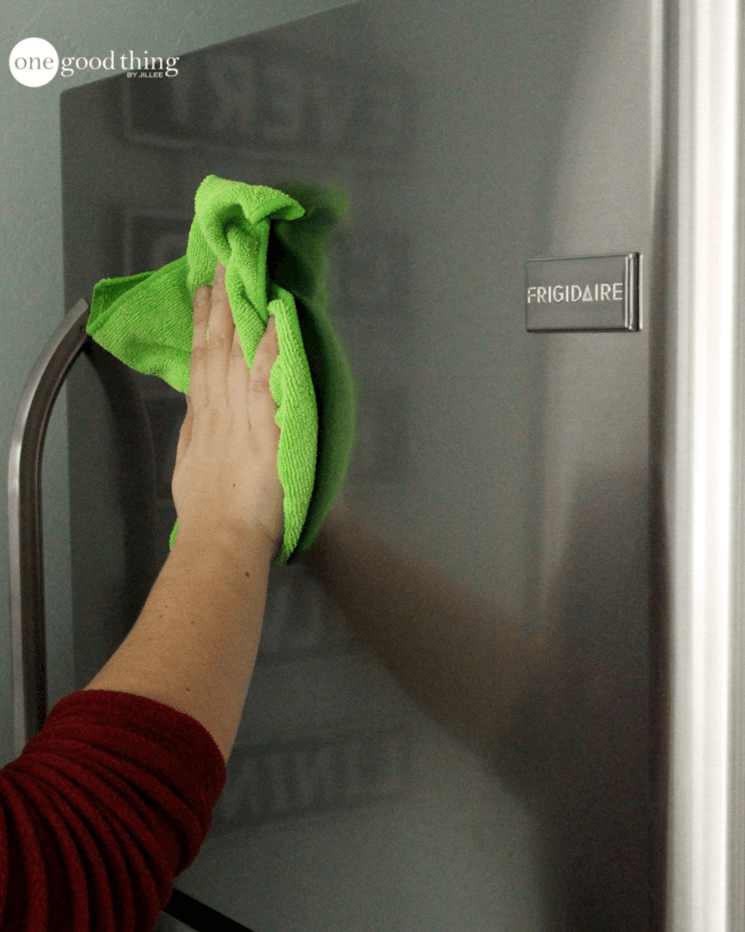
Gently wipe the cloth over the entire surface of your appliance, making sure to move in the direction of the grain. This ensures the oil is distributed evenly into those tiny crevices. Once the surface is coated, grab another clean, dry section of your cloth (or a new cloth entirely) and start buffing.
Use light, long strokes, again moving with the grain, to work the oil in and remove any excess. Keep buffing until the surface has a brilliant, even shine without feeling oily to the touch. The result is a stunning, fingerprint-resistant finish that will make you smile every time you walk into your kitchen

Common Mistakes That Can Damage Your Appliances
Oh, this section is so important! After you’ve spent your hard-earned money on those beautiful stainless steel appliances, the last thing you want to do is accidentally ruin them. I’ve heard some real horror stories over the years, and I want to help you avoid the common mistakes that can cause permanent scratches, dullness, or even corrosion.
Think of this as your friendly “what not to do” guide. Following the right steps for how to clean stainless steel is only half the battle; knowing what to avoid is just as crucial for protecting your investment.
Harsh and Abrasive No-Nos
The number one rule? Be gentle. Stainless steel might seem tough, but its beautiful finish is surprisingly delicate. Please, please, please stay away from anything that could scratch the surface.
This means putting these items away for good when you’re cleaning stainless steel:
- Steel Wool or Steel Brushes: These are an absolute no. They will leave deep, permanent scratches every single time.
- Abrasive Scouring Powders: Many common powdered cleansers are far too harsh and will dull the finish instantly.
- Gritty Sponges: That green scrubby side of your kitchen sponge can be too aggressive and create a web of fine scratches.
I love Bar Keepers Friend and use it on just about everything. For stainless steel, this is a great method for deep cleaning every once in a while. Just sprinkle some Bar Keepers Friend on a wet cloth and wipe it all over. Wipe the surface clean with a clean wet cloth afterward, and be sure not to leave it on too long, as it could lead to discoloration. Bar Keepers Friend will also remove any rust that is present.
Since not all stainless steel finishes are created equal, certain finishes may not be ideal candidates for cleaning with Bar Keepers Friend. (Look in your appliance’s user manual for guidance, or perform a spot test in a hidden area.)
Anything containing chlorine bleach is also a major problem. Chlorine is corrosive to stainless steel and can cause pitting and rust-like spots over time. It’s a good habit to always check the labels on your all-purpose cleaners before you spray!
Watch Out ror Your Water
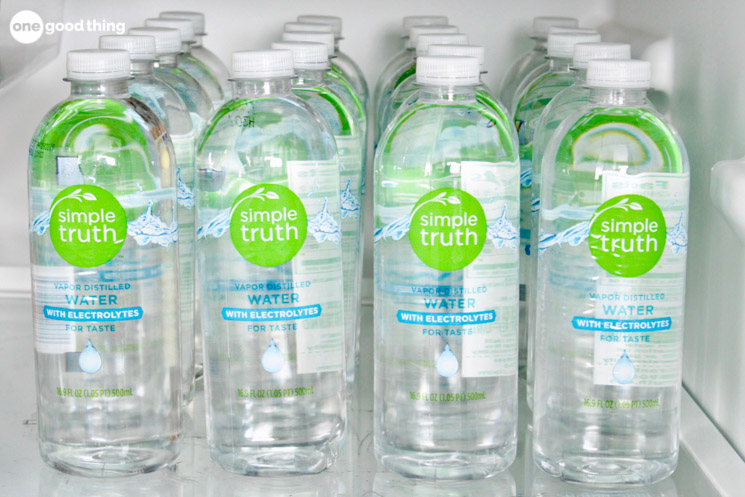
Here’s a tip that surprises a lot of people: be careful with your tap water! If you live in an area with hard water, those minerals (like calcium and magnesium) can leave behind stubborn, chalky spots when the water evaporates. It’s so frustrating.
Rinsing with tap water is usually fine, but for that final wipe-down, I always recommend using distilled or filtered water on your cloth. This simple switch prevents mineral deposits from forming and is the secret to achieving that perfectly clear, spot-free shine. It’s a small step that makes a huge difference.
To make it even easier to remember the right way to care for your appliances, I’ve put together this quick cheat sheet.
Stainless Steel Cleaning Do’s and Don’ts
Here’s a quick comparison of safe and harmful practices to protect your appliances from damage.
| Do This | Avoid This |
|---|---|
| Wipe with the grain of the stainless steel. | Wiping against the grain, which can dull the finish. |
| Use soft microfiber cloths. | Using steel wool, abrasive sponges, or brushes. |
| Clean with gentle, pH-neutral cleaners. | Using harsh chemicals like bleach or ammonia. |
| Use distilled water for the final rinse. | Letting hard tap water air-dry on the surface. |
| Dry the surface completely after cleaning. | Leaving moisture behind, which causes spots. |
Sticking to these simple guidelines will keep your stainless steel looking brand new for years to come.
My Favorite Homemade Stainless Steel Cleaner Recipe
You all know how much I adore a good homemade cleaning solution! There’s just something so satisfying about whipping up a cleaner that saves money, cuts down on the chemicals in my home, and works just as well—if not better—than the store-bought stuff.
When it comes to my stainless steel, I’ve learned over the years that the simplest solutions are almost always the best. After trying all sorts of different concoctions, I always come back to my all-time favorite recipe for a DIY stainless steel spray. It’s incredibly easy and uses just a couple of household staples you probably already have on hand.
What You’ll Need for My Simple Spray
This recipe really couldn’t be more straightforward. All you need is a clean spray bottle and two basic ingredients to get started.
- Equal Parts Water and White Vinegar: This is the powerhouse of the cleaner. I usually start with one cup of each to fill my bottle.
- A Few Drops of Essential Oil (Optional): This is purely for a lovely scent! I’m partial to lemon or another citrus oil for that fresh, clean aroma.
Just pour the water and vinegar into your spray bottle, add 5-10 dropsof your favorite essential oil if you’re using it, and give it a good shake. And that’s it! Your homemade stainless steel cleaner is ready to tackle those fingerprints.
This simple mixture is so effective because the acetic acid in the white vinegar is absolutely fantastic at cutting through greasy smudges and grime. It dissolves all that residue without being harsh or abrasive, which is exactly what you want for keeping stainless steel looking its best.
Jillee’s Little Secret: Sometimes I’ll add a tiny drop of dish soap to the mix, especially if I’m dealing with extra greasy splatters around the stove. It just gives the cleaner a little extra lifting power!
How to Use Your Homemade Cleaner
Using this spray is a total breeze. Start by lightly misting the surface of your appliance, but be careful not to oversaturate it. You don’t need to drench it; a fine, even layer is perfect.
Next, grab a clean microfiber cloth and wipe in the direction of the grain. You should see the smudges and fingerprints lift away easily. For the final touch, take a separate, dry microfiber cloth and buff the surface, again following the grain, until it’s completely dry and shining.
This simple, two-step process of cleaning and then buffing is the real key to getting that beautiful, streak-free finish we all love. It leaves your appliances looking clean, polished, and ready to impress!
And if you’re a fan of fresh, citrusy cleaners like I am, you’ll find even more great ideas in my post about 10 homemade cleaners made from citrus.

When a Store-Bought Cleaner Makes Sense
While I absolutely love my homemade cleaning solutions (and you all know I do!), there are times when grabbing a store-bought cleaner is the smarter move. Let’s be real, sometimes convenience is king, and some commercial products are formulated to do things my simple vinegar spray just can’t.
Many of these cleaners have ingredients that leave behind a protective coating. This is a game-changer for resisting fingerprints and smudges, especially in a busy house with kids. If you’re constantly wiping down the fridge, this can be a real lifesaver! It’s all about having the right tool for the job.
One store-bought item you might not have thought of as a cleaner is shaving cream! Use shaving cream to clean stainless steel appliances and faucets by coating them with a thin layer of shaving cream and wiping the area dry. Then buff the surface with a clean microfiber cloth until it’s clean and shiny. Who knew?
Cleaners Versus Polishes
When you’re browsing the cleaning aisle, you’ll see a few different options. It helps to know what you’re actually looking for.
- Cleaners: These are your workhorses for cutting through grime, grease, and those pesky fingerprints.
- Polishes: Think of these as the finishing touch. They add that brilliant shine and create a protective barrier after the surface is already clean.
- All-in-One Products: My personal favorite for saving time. These handy products clean and polish in a single step.
For my day-to-day wipe-downs, I almost always reach for an all-in-one spray. It just makes the whole process so quick and painless. My advice? Look for one with a non-greasy formula so you don’t end up with a sticky residue.
Over the years, I’ve found a couple of brands that work really well, like Weiman and Therapy Clean. Here’s my best tip when using any store-bought product: spray it onto your microfiber cloth first, not directly onto the appliance.
This simple trick gives you way more control, stops overspray from getting all over your floors, and helps you apply a nice, even coat. From there, just wipe with the grain and buff it to a beautiful, streak-free shine

Your Stainless Steel Cleaning Questions Answered
I get so many wonderful questions from you all about cleaning, and it seems like keeping stainless steel shiny is on everyone’s mind! It’s a super popular topic, so I wanted to take a moment to answer some of the most common ones I hear.
Let’s clear up any lingering confusion so you can tackle those smudges and spots with total confidence. Think of this as our little cleaning chat to solve those final puzzles.
Can I Use Glass Cleaner on Stainless Steel?
This is a question I hear all the time! I get why it seems like a good idea—both surfaces are supposed to be streak-free, right? But I really don’t recommend it.
Many glass cleaners have ammonia or other harsh chemicals that can be way too aggressive for your appliance’s finish. Over time, those ingredients can actually damage the protective layer, leading to dull spots or even discoloration. It’s much safer to stick with a gentle solution, like my homemade vinegar spray, or a cleaner made specifically for stainless steel.
How Do I Handle Small Rust Spots on My Sink?
First off, don’t panic if you see a tiny rust spot in your stainless steel sink! It’s almost never the sink itself rusting. It’s usually just tiny metal particles left behind from cans or utensils that have started to oxidize.
To gently lift them off, just make a simple paste with baking soda and a little water. Dab it on the spot, let it sit for about 30 minutes, and then gently scrub with a soft sponge, making sure to go in the direction of the grain. Rinse it well, and that little spot should be gone!
This method is so gentle, you don’t have to worry about scratching up your sink’s surface.
How Often Should I Clean My Appliances?
Honestly, there’s no single right answer here—it really depends on your household! If you have a busy family with kids, a daily wipe-down of high-traffic spots like the refrigerator handle might be necessary to keep those fingerprints from taking over.
For general maintenance, a good, thorough cleaning once a week is usually plenty to keep everything looking its best. The real goal is to make it part of your regular routine so it never feels like a huge, overwhelming chore.
What’s your most difficult stainless steel item to keep clean?


